Resource and Circularity
GRI 306
HKEX Aspect A1, A2, A3, KPI A1.6, A3.1
HKEX Aspect A1, A2, A3, KPI A1.6, A3.1
Resource and Circularity
GRI 306
HKEX Aspect A1, A2, A3, KPI A1.6, A3.1
HKEX Aspect A1, A2, A3, KPI A1.6, A3.1
Swire Properties is committed to supporting the transition to a circular economy by reducing and managing waste effectively and promoting circularity across our operations. We aim to identify the impacts of waste disposal from our business activities, set targets to continually improve our waste management performance and incorporate waste prevention considerations into our procurement processes.
Focusing on Resource Management and Circularity
We developed our Resource and Circularity Policy to guide our approaches to reducing waste, from the design and construction phases of our projects to the daily operation and management of our properties, putting emphasis on “designing out” waste and keeping products in use while continuing to enhance resource recovery and recycling across our operations.
We encourage our employees, tenants, suppliers and others with whom we do business to engage with the topic with greater positivity and creativity – before resources are consumed. This approach supports our transition to a circular economy and our goal to achieve zero waste to landfill by 2050.
Our Resource and Circularity Taskforces in Hong Kong and the Chinese Mainland – made up of representatives from our FMSD department, Portfolio Management and Hotels teams – meet regularly to evaluate our resource management strategies, analyse waste data, review progress towards our 2025 and 2030 KPIs, and facilitate new circularity initiatives.
We require the responsible management of waste within our construction sites, and require our contractors to document their waste management approaches with a Waste Management Plan. To ensure proper disposal and recycling practices are realised, waste diversion rate targets are included in our demolition and construction contracts. All contractors are educated on waste management techniques and are required to document their waste management efforts regularly via an Environmental Monitoring and Audit Report, containing information in the format of waste flow tables.
Waste Diversion Rates
We track and collect data on more than 20 types of waste produced by our office and retail tenants, hotel guests and occupants of our residences. We strive to manage the downstream processes of each waste stream and work closely with our recycling partners to provide secure outlets for the recyclables we collect.
Commercial Waste Diversion Rate
30%
Hong Kong Portfolio
Commercial Waste Recycling Rate
50%
Chinese Mainland Portfolio
Total Amount of Waste Recycled
4,269tonnes
Hong Kong Portfolio
9,520tonnes
Chinese Mainland Portfolio
Initiatives to Drive Waste Reduction and Recycling
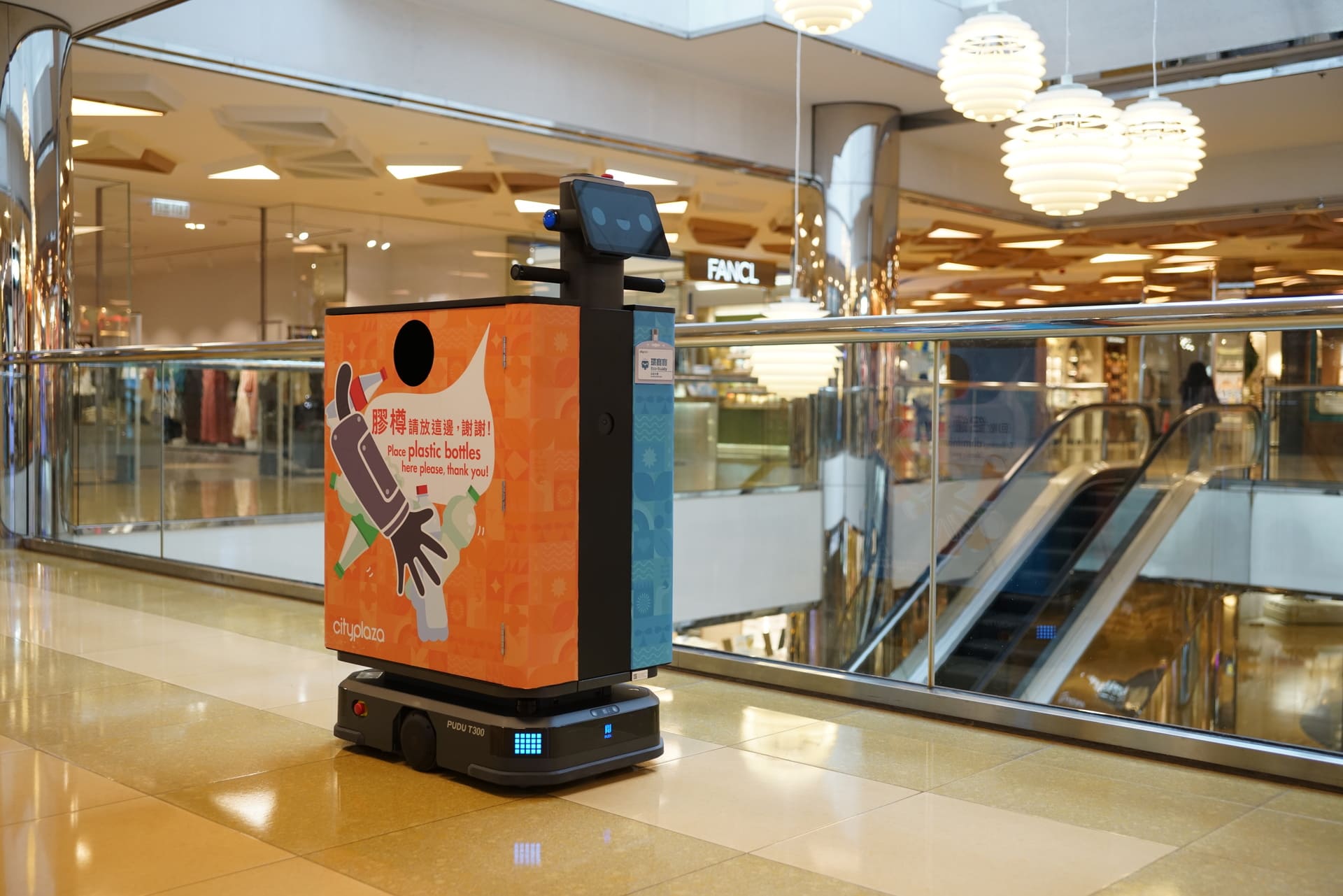
Initiatives to Drive Waste Reduction and Recycling
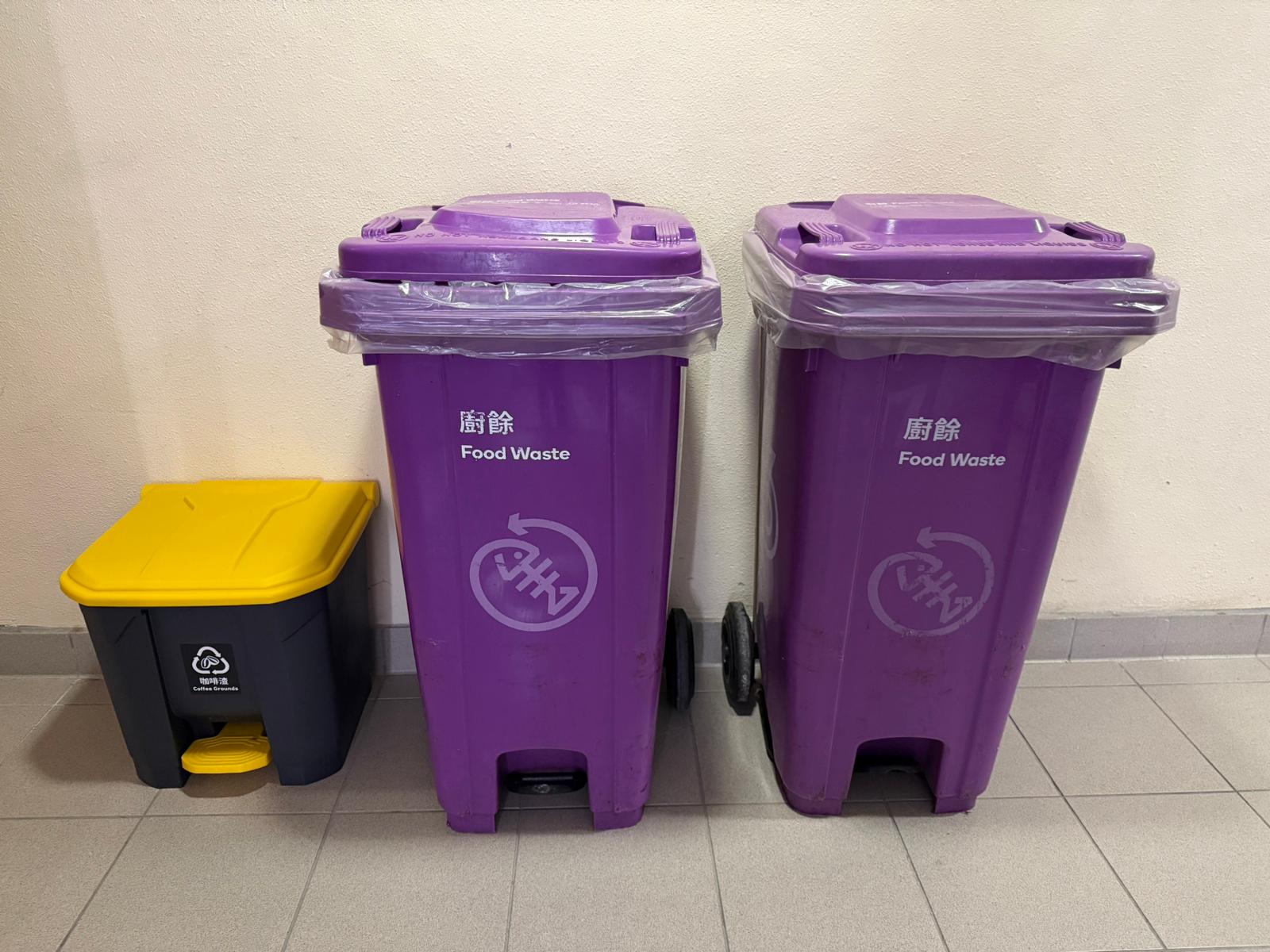
Food waste constitutes a significant portion of the waste sent to landfills in Hong Kong. Swire Properties installed our first food waste decomposer at one of our Hong Kong shopping malls in 2005. Since then, we have been working closely with our hotels, restaurants and tenants to deepen our food waste reduction and recycling efforts. In 2025, we collected 9,115 tonnes of food waste from our Hong Kong and Chinese Mainland portfolios and hotels.
Prioritising Reuse and Recycling for Refurbishment and Renovations
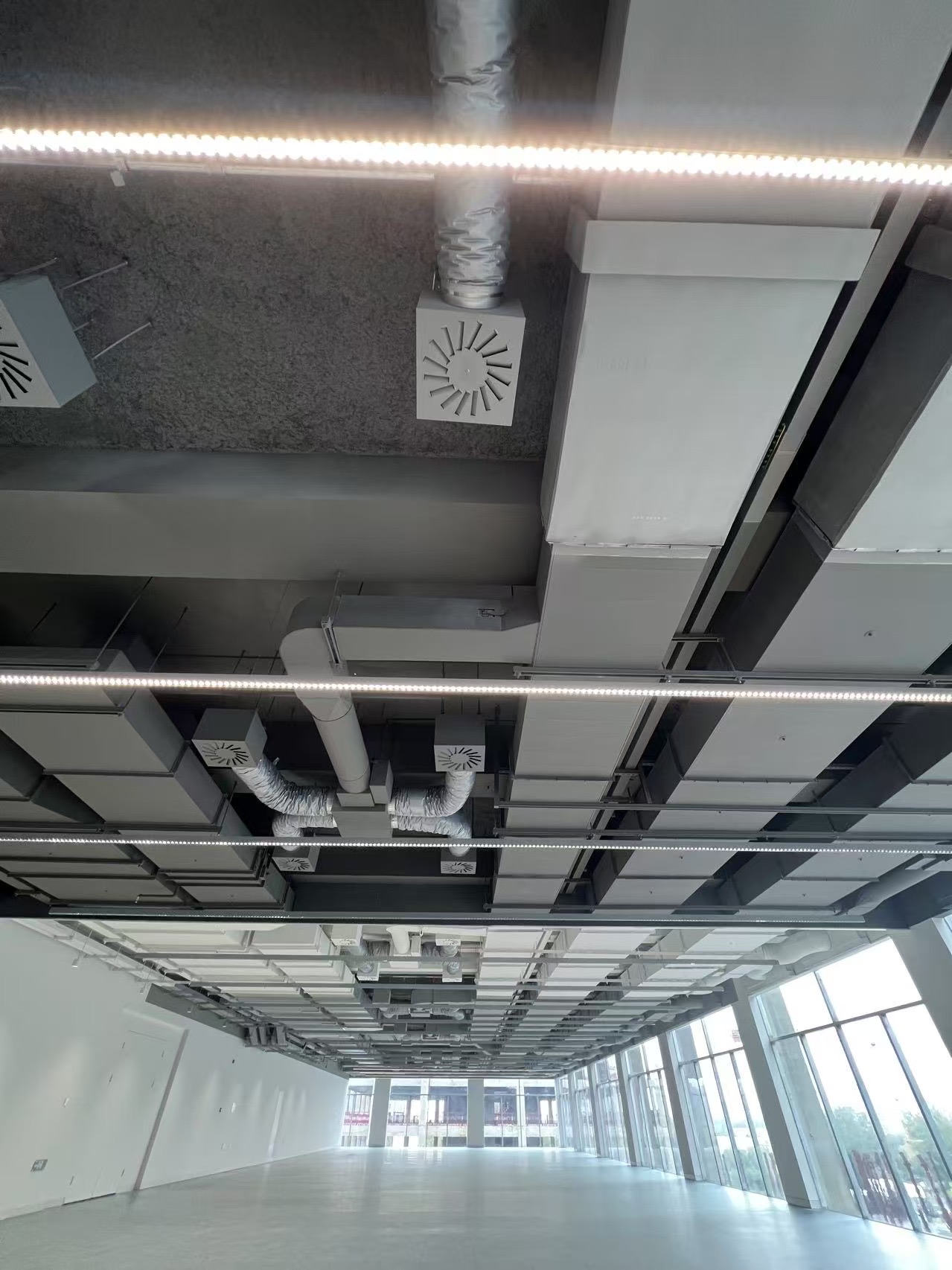
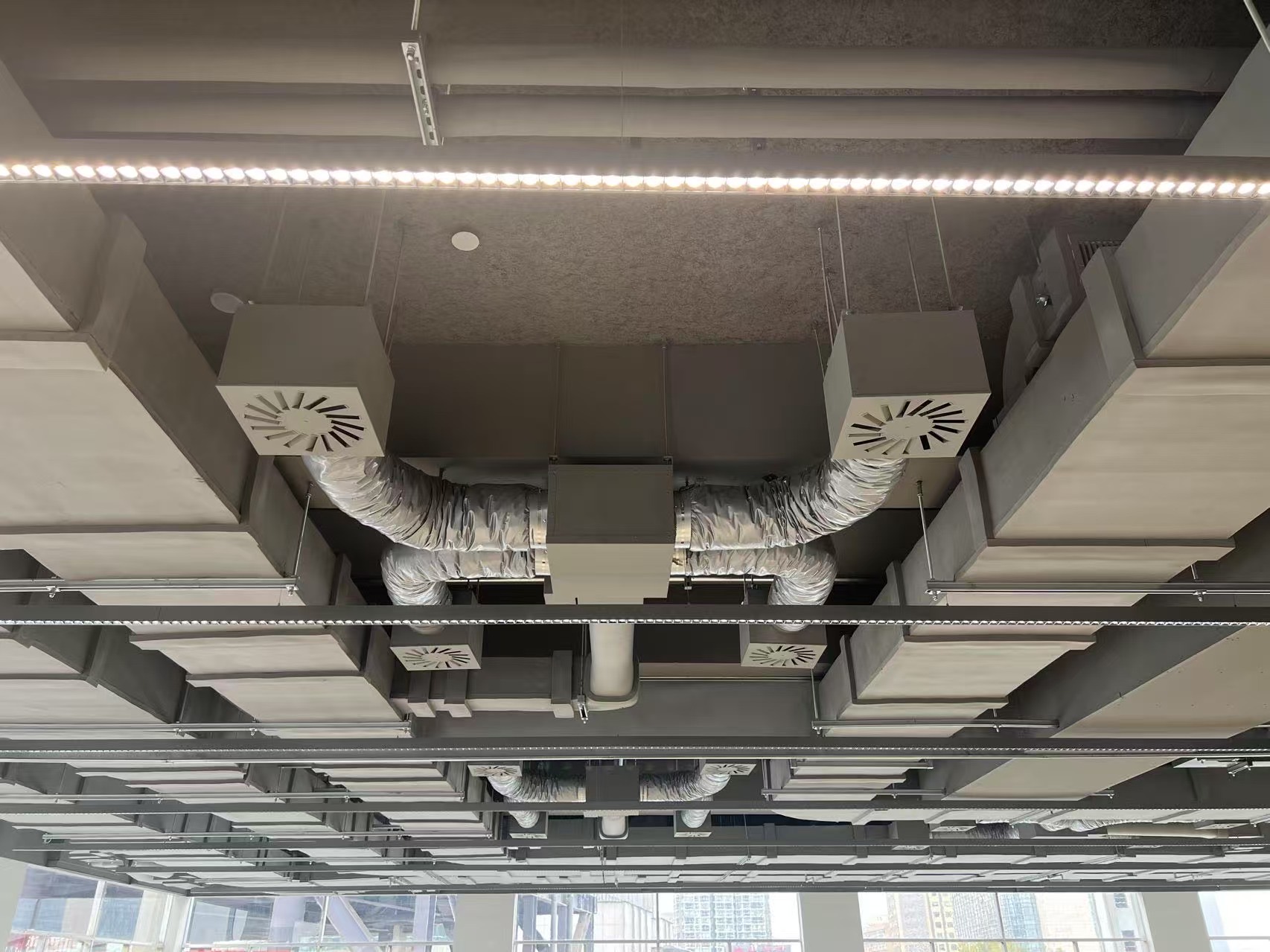
Prioritising Reuse and Recycling for Refurbishment and Renovations
In 2024, we began redeveloping The Opposite House in Beijing into a retail landmark. During the process, we prioritised the protective removal of materials to prevent damage to valuable resources and maximise opportunities for reuse and recycling in other parts of our portfolio. The demolition work was completed in early 2025, and over 95% of materials were diverted from landfill through reuse and recycling.
Supporting Circular Economy through Smart Reuse Programmes

Supporting Circular Economy through Smart Reuse Programmes
To minimise waste generation and cultivate a culture of reuse in our communities, we piloted Hong Kong’s first smart reusable cup network at Taikoo Place in late 2020. The programme was then expanded to Pacific Place and Cityplaza, and also included reusable food boxes at Taikoo Place. The system operates by customers asking for a smart reusable cup or food box when purchasing takeaway items, then returning the reusable to a return station, where it is then thoroughly cleaned and put back into circulation. By the end of 2025, the programme had kept over 58,000 single-use containers out of landfills.
Digitalising the Waste Reduction Journey
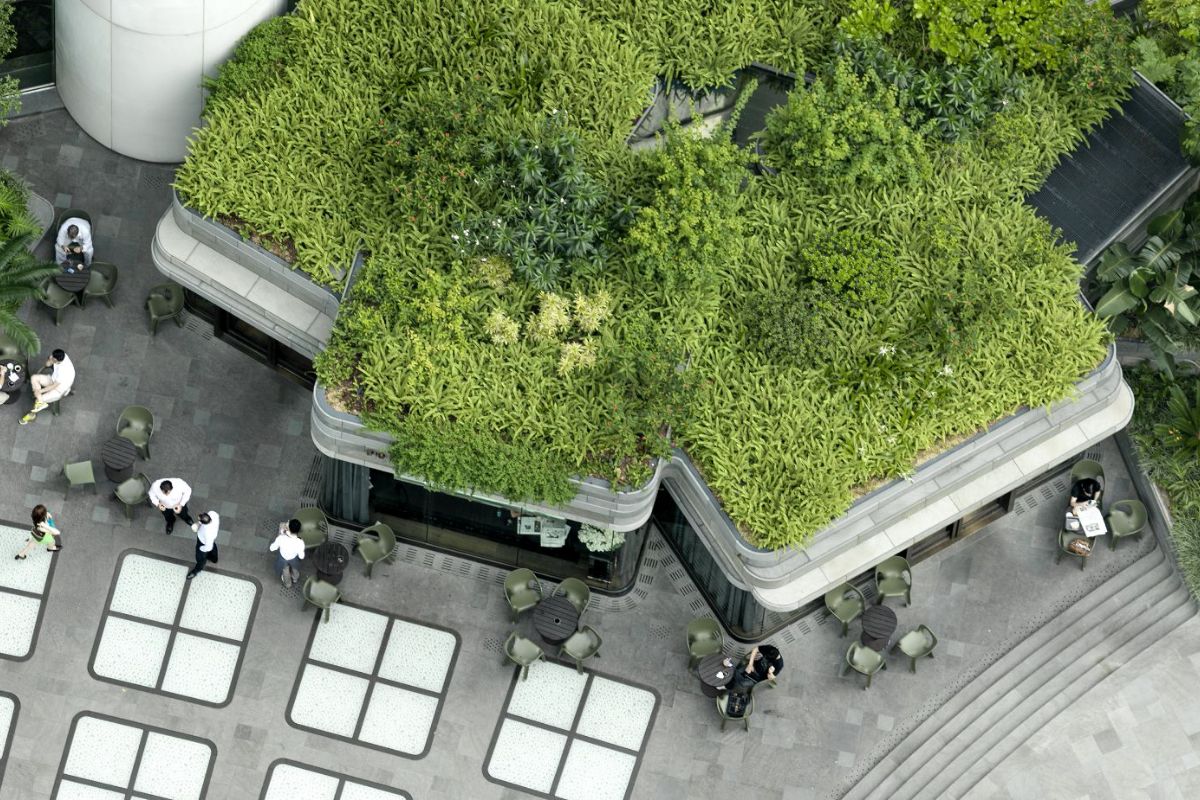
Digitalising the Waste Reduction Journey
Over 90% of the waste generated at our buildings comes from building users, primarily tenants. While waste measurement conventionally involves manual weighing and recording, we are embracing technologies that digitalise the waste data collection process in pursuit of continuous improvements.
In 2025, we continued to expand our smart waste programmes in Hong Kong, while we began to record tenants’ waste production at HKRI Taikoo Hui, INDIGO and Taikoo Hui Guangzhou.
Incorporating Green Considerations into Events
Incorporating Green Considerations into Events
Events are an important part of Swire Properties’ placemaking and community-building work. Since launching our Green Guidelines for Event Management and Production of Collaterals in 2018, our Marketing and Promotions, Event Management and Administration teams have worked diligently to incorporate the guidelines into their event planning, production and execution efforts.
SEE MORE IN